
Home / Pantry Guides / Emergency Prep
Emergency Prep
No bunker required
 The Goode Foods Family • November 4, 2026 • 6 min read
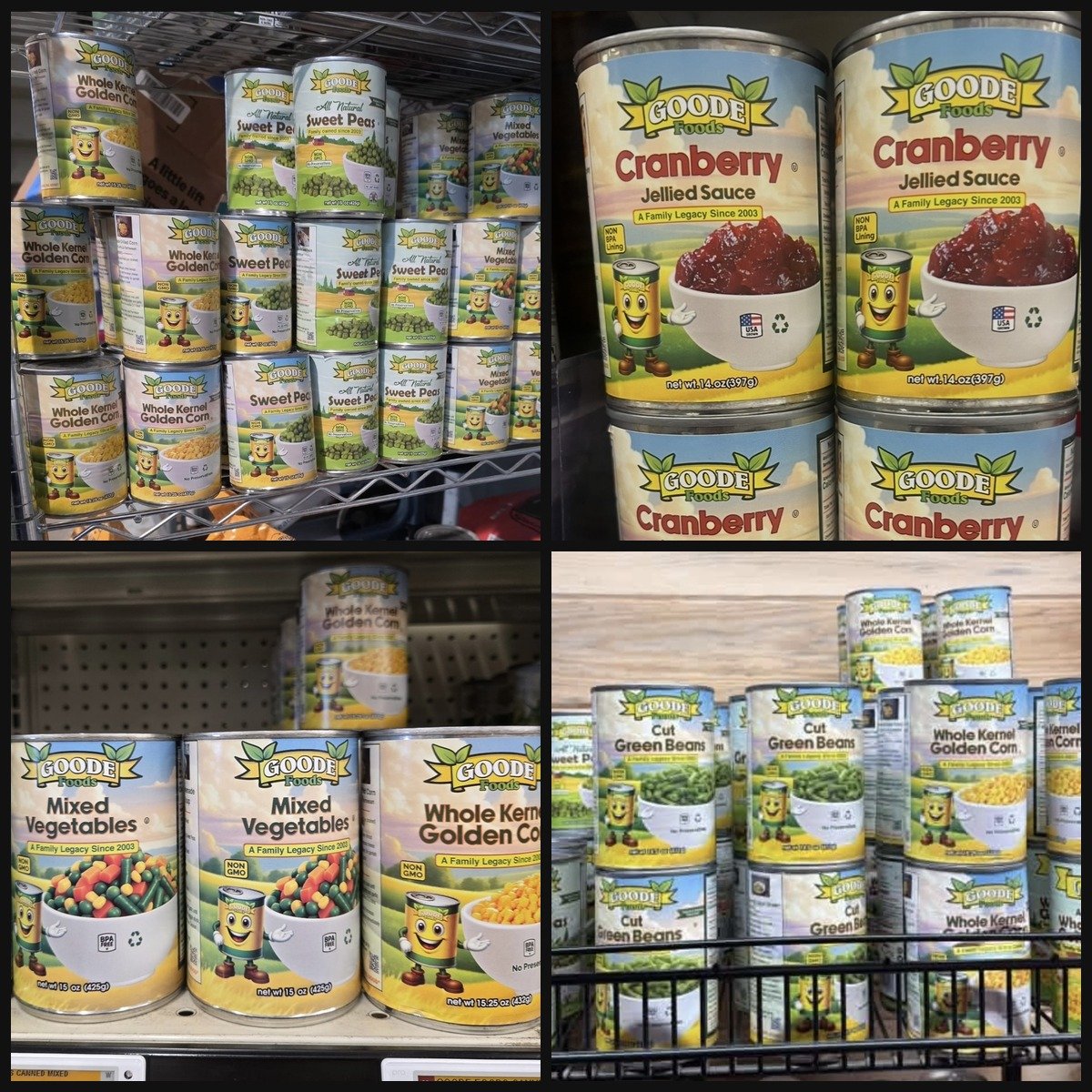
72 Hours
Starts
Now
Share this guide
Why now Here at home Panic buying Why cans How much The list The rules FAQ
Most governments now recommend keeping at least 72 hours of food and water at home, and several say a week or more. The easiest way to get there: canned beans and vegetables that are already cooked, one gallon of water per person per day, a manual can opener and a few basics. Build it slowly on normal grocery runs, not in a panic.
Prepping used to be the thing your uncle got teased about at Thanksgiving.
The basement full of beans. The hand-crank radio. The “you’ll thank me later” speech.
Well. Governments are now handing out his checklist.
In the last few weeks alone, the UK launched a national “Be Ready” campaign asking every household to keep at least 72 hours of emergency supplies at home, including canned or no-cook food. Japan’s disaster management minister asked people to stock at least three days of food and daily necessities, ideally a week.
They’re not alone. Newsweek counted 33 countries with official advice telling households to keep emergency supplies on hand. Here’s how much some of them recommend.
| Who | Recommended supply |
|---|---|
| UK, France, Canada, Japan, Mexico, Netherlands | 72 hours (3 days) |
| European Union | At least 72 hours |
| Sweden and Norway | About 1 week |
| Germany | Up to 10 days |
| United States (Ready.gov) | Several days |
Now, the important part. Nobody’s saying the sky is falling. Japan’s minister said there was no specific threat behind the request. The UK built its campaign around everyday disruptions like storms, wildfires and cyberattacks that can knock out power, water or the internet.
The message is simple. Power, water and stores can go down for a few days. The households that planned ahead don’t panic.
The numbers say otherwise.
The average U.S. electricity customer went 11 hours without power in 2024, nearly double the average from a decade earlier. Three hurricanes, Beryl, Helene and Milton, caused 80% of those hours.
The U.S. had 27 weather and climate disasters in 2024 that each caused at least $1 billion in damage. From 1980 to 2023, the average was 9 a year.
Only 48% of Americans put together or updated emergency supplies in the past year, according to FEMA’s national household survey. Just 51% say they feel prepared.
About half of us are winging it. And winging it works great, right up until the fridge goes quiet.
Here’s what happened right after the UK announcement. One grocery chain reported canned food sales jumped 40% over the launch weekend. Wind-up radio sales spiked 870%. Flashlights jumped 284%. Radios sold out at stores across the country.
That’s the funny thing about prepping. Everybody wants to do it on the same weekend.
The worst time to build an emergency pantry is the day everyone else is building theirs.
Even the UK’s guidance says to build your kit gradually over normal shopping trips. Two extra cans here, a case of water there. No crowds, no empty shelves, no paying double for a flashlight.
Canned vegetables and beans are cooked right in the can during processing. No stove, no microwave, no power needed. We built a whole 3-day no-cook meal plan around it.
Commercially canned low-acid foods like vegetables and beans keep their best quality for 2 to 5 years in a cool, dry place.
When the power’s out, your fridge turns into a countdown clock. A pantry shelf doesn’t.
Cans stack, travel and survive a drop. Glass doesn’t always. Here’s the full cans vs. glass breakdown.
Beans bring protein and fiber. Vegetables bring color and flavor. That’s an actual dinner, not a sad survival bar.
Start with the government baseline, then build up. Here’s a simple plan for a family of four.
| Goal | Water | Cans of beans and vegetables |
|---|---|---|
| 72 hours | 12 gallons | 24 cans |
| 1 week | 28 gallons | 56 cans |
| 2 weeks | 56 gallons | 112 cans |
Water follows Ready.gov’s guideline of one gallon per person per day. Our can count is a rule of thumb: two cans of beans or vegetables per person per day as the base of your meals, with peanut butter, crackers, tuna or other shelf-stable foods filling in the rest. Adjust for your crew, your pets and anyone with special dietary needs.
Tap items as you shop, or copy the whole list to your phone.
Add two extra cans to every grocery run. In a month you’ve got a real emergency pantry, and you never had to fight anybody for the last case of water.
Our vegetables and beans are non-GMO, picked and packed the same day, and sealed in BPA-free cans. Find them at Target, Walmart, Meijer, Hy-Vee, Jewel-Osco, Shaw’s, Star Market and Food Lion.

Most governments recommend at least 72 hours, or three days, of food and water. Sweden and Norway recommend about a week, and Germany recommends up to 10 days. Starting with 72 hours and building toward two weeks is a practical goal for most families.
Shelf-stable food that needs no cooking and that your family already eats. Canned beans and vegetables are a strong base because they’re already cooked and last for years. Add peanut butter, crackers, tuna or chicken pouches and shelf-stable milk.
Commercially canned low-acid foods like vegetables and beans generally keep their best quality for 2 to 5 years when stored in a cool, dry place. High-acid foods like tomatoes and fruit are best within 12 to 18 months.
Yes. Commercially canned vegetables and beans are cooked during processing, so they can be eaten straight from the can. That makes them ideal during a power outage.
Ready.gov recommends one gallon of water per person per day for several days, for drinking and sanitation. A family of four needs 12 gallons for 72 hours.
No. Hoarding is buying far more than you need all at once during a crisis. Building a modest emergency supply gradually, before anything happens, is exactly what emergency officials recommend, and it means you’re not fighting over empty shelves when something does happen.
Water, a manual can opener and shelf-stable food your household already eats. Then add a flashlight, a battery or hand-crank radio, a power bank, first aid supplies, prescription medications and some cash.
Goode Foods canned vegetables and beans are sold at Target, Walmart, Meijer, Hy-Vee, Jewel-Osco, Shaw’s, Star Market and Food Lion. Items vary by store, so check the store locator on goodefoodsfamily.com before you go.
You don’t need a bunker. You don’t need a year of freeze-dried meals. You don’t need to wait for the next storm warning to start.
You need a few days of real food, some water, a can opener and a plan.
So the next time somebody laughs at your pantry shelf, smile and hand them a can of black beans. They’ll be back.
Eat Goode. Feel Good. Stay ready.
Sources: Newsweek on countries urging residents to stockpile; Seoul Economic Daily on the UK and Japan guidance; Latin Times on the UK Be Ready campaign and sales surge; Euronews on the EU 72-hour guidance; U.S. Energy Information Administration on outage hours; NOAA Climate.gov on billion-dollar disasters; Ready.gov on emergency kits and water; University of Missouri Extension on canned food shelf life.
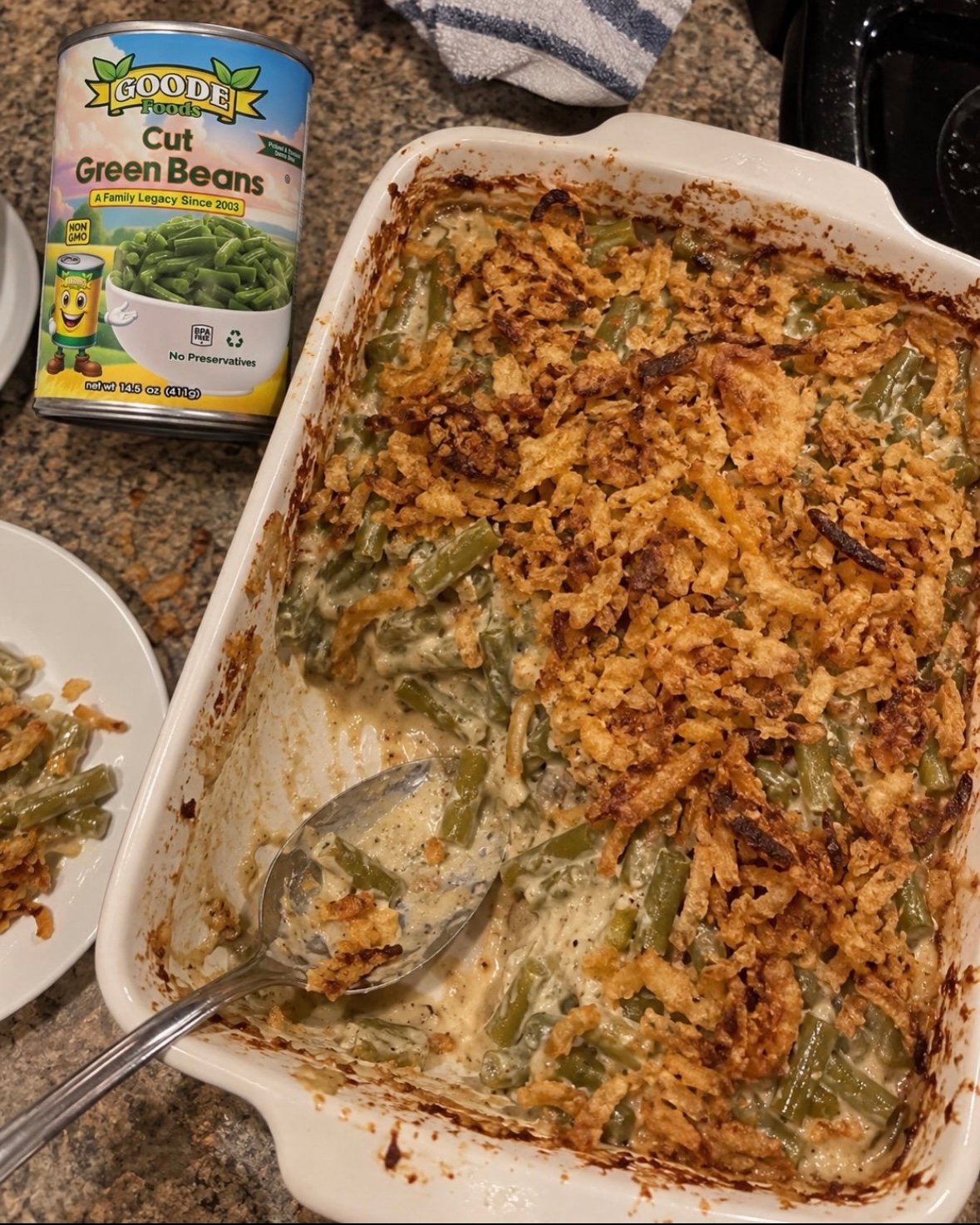
Canned green beans are already cooked, so stop cooking them twice. Why they taste flat, 9 ways to make them exciting, and…
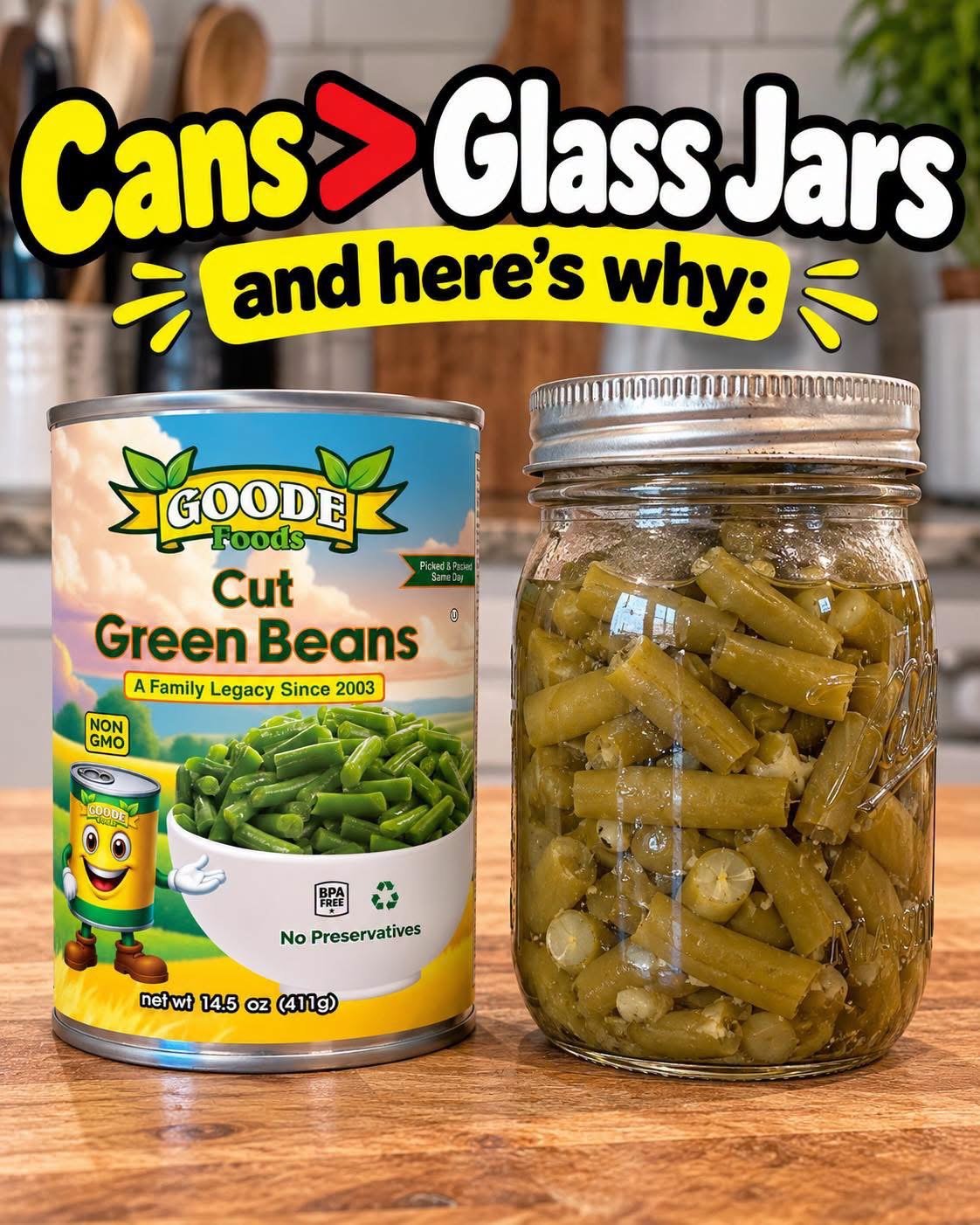
Are glass jars really safer than metal cans? Here’s what the CDC and FDA actually say about glass fragments, home-canning botulism and…