
Home / Pantry Guides / Real Talk
Real Talk
One week, three wake-up calls
 The Goode Foods Family • November 17, 2026 • 9 min read
Stock
Smart
Not Scared
Share this guide
The week everything broke The freezer hacks Your wallet Fresh produce Why canned What’s in our cans How to stock up FAQ
In five days, Microsoft email went down worldwide, the FAA grounded flights nationwide and Chase customers reported trouble moving their money. None of it was a hack, according to the companies and officials. It just broke. Meanwhile, hackers have been shutting off supermarket freezers in Europe. Add rising grocery prices, a tough job market and the biggest Cyclospora outbreak in U.S. history, and it’s a good week to have food at home that doesn’t need a fridge, a signal or a working bank app. That’s what canned vegetables and beans are for.
Let’s be honest. This past week felt like the whole country hit the wrong button at the same time.
You couldn’t open your email. Then your cousin got stuck sleeping in an airport. Then on Monday you couldn’t get into your bank app, with money sitting right there in the account.
Nobody’s saying the world is ending. We’re a canned vegetable company, not a doomsday channel.
But here’s what last week proved. The stuff we all assume will just work doesn’t always work. And when it doesn’t, the people who feel it least are the ones who planned a little.
So let’s talk about what actually happened, what it costs to feed a family right now, and the smartest, cheapest way to make sure your house is covered.
Microsoft Outlook went down across the world for more than 12 hours. Downdetector logged at least 43,000 Outlook reports from 72 countries, and even some government systems were knocked offline. Microsoft said there was “no indication” it was a cyberattack.
The FAA called a nationwide ground stop. About 3,500 flights couldn’t take off while it lasted, and it led to nearly 8,000 cancellations and more than 10,000 delays. The Transportation Secretary pointed to a newly installed router at an FAA facility, and officials said there was no sign of an attack.
Chase customers reported trouble getting into accounts and moving money, and people at other big banks reported problems too. Some Zelle payments were delayed. Chase blamed a software bug and said it wasn’t cyber-related.
Read that again. Not one of those was a hack. That’s the part that should make you think. You don’t need a villain for the systems you count on to go down. Sometimes a router just has a bad day.
And when your bank app is frozen, the store still wants to get paid. The fridge still needs power. Dinner still needs to happen.
Last week’s outages weren’t hacks. But that doesn’t mean nobody’s trying.
In October, hackers broke into the refrigeration systems at more than 500 supermarkets across France and cranked fridges and freezers up as high as 122°F. They did it at night, while the stores were closed. By morning, millions of euros’ worth of food was spoiled, and French officials confirmed it was an attack.
Then on November 2, it happened again. Supermarkets in Belgium, Ireland, Sweden, Finland and Estonia reported freezers suddenly warming up overnight, and stores pulled chilled and frozen food off the shelves. Security researchers have counted more than 20 confirmed attacks on store refrigeration systems this year alone.
And it’s not just overseas. Back in 2025, a cyberattack on UNFI, one of the biggest grocery distributors in North America, left shelves visibly empty at Whole Foods stores while the company scrambled to get deliveries moving again.
Here’s the part that matters for your kitchen. Everything in that freezer aisle depends on a computer keeping it cold. Your fridge at home depends on the power grid.
A can doesn’t depend on anything. No power. No Wi-Fi. No thermostat somebody can hack from the other side of the world. It just sits on your shelf, sealed and ready, for years.
That’s not a sales pitch. That’s physics.
Even on a normal week, a lot of families are stretched right now.
Grocery prices went up again in October. According to the Bureau of Labor Statistics, food at home rose 0.4% in a single month. Beef was up 0.9%. Fruits and vegetables were up 0.6%. Snacks jumped 1%.
And the job market isn’t making it easier. The October jobs report counted 7.1 million people unemployed. About 2 million of them have been looking for 27 weeks or longer, and another 4.8 million people are working part time because they can’t get full-time hours.
If that’s you, you already know. You’re eating at home more. You’re checking prices on everything. And going out to eat feels like a luxury now.
That’s exactly where the canned aisle earns its keep.
We love a good salad as much as anybody. But you can’t ignore the headlines.
This summer the CDC and FDA tracked the largest Cyclospora outbreak ever recorded in the United States: 12,883 cases, 570 people hospitalized and 2 deaths across 21 states. Investigators traced it to iceberg lettuce, including shredded lettuce served at a national fast-food chain.
This year also brought an E. coli and Salmonella outbreak tied to alfalfa sprouts, and right now health officials are investigating an E. coli cluster among students at Ohio University, with the source still unknown.
Fresh produce isn’t the enemy. Most of it is perfectly safe. But raw food that’s handled by a lot of people on its way to your plate carries risks that a sealed, heat-processed can is designed to avoid. Commercial canning cooks the food inside a sealed can to make it shelf-stable, and it stays that way until you open it.
A freezer full of vegetables is a problem during an outage. A pantry full of cans isn’t. Unopened cans don’t need a fridge, a freezer or electricity.
USDA says low-acid canned foods like vegetables and beans keep their best quality for 2 to 5 years when stored in a cool, dry place.
A Michigan State University study found frozen corn, green beans and peas cost 81% to 103% more per cup than canned. Here’s the full breakdown.
Canned vegetables and beans are cooked in the can. If you can’t use the stove, you can still eat. That’s not a small thing on a bad day.
Here’s where we get a little protective. Stocking up on canned food is smart. Stocking up on our canned food is smarter, and we’re not shy about why.
Quick version, because this post isn’t about us.
Goode Foods started in 2003 with one family and one idea: good food people can afford. Twenty-three years later, it’s still that same family running it, now in its second generation. No investors. No private equity. No celebrity who secretly owns half the company. No big corporation that bought us and quietly changed the recipe.
A lot of the food brands you grew up with got sold a long time ago. We didn’t. It’s one family, one bloodline, chasing the American dream one can at a time.
And honestly, who owns the company decides a lot more than people think. Last year, a vice president at Campbell’s was caught on tape calling the company’s food “highly processed food” for “poor people.” On the same recording, which came out in a former employee’s lawsuit, he said he barely buys Campbell’s products anymore and that he doesn’t “want to eat a piece of chicken that came from a 3D printer.”
Campbell’s fired him and said his comments were false. We’ll take them at their word on the chicken.
But that moment stuck with a lot of people, because it asked the question everybody’s quietly wondering in the grocery aisle: would the people who make this food actually eat it?
For us, the answer is easy. The cans on your shelf are the same cans on our own kitchen table, feeding our own kids.
That’s the difference when the people making the food and the people eating it are the same family. We care what goes in the can because our name is on it. Literally.
Nobody needs a bunker. You need a plan. Here’s ours.
Don’t blow your budget in one weekend. Grab two or three extra cans every time you shop. In a month, you’ve got a real backup without feeling it.
Corn, green beans and sweet peas for vegetables, plus black beans or kidney beans for protein and fiber. Together they make an actual meal.
New cans go in the back, older ones up front. You’ll eat them in order and nothing gets forgotten.
Cheapest insurance you’ll ever buy. Electric can openers need electricity. Ask anyone who learned that the hard way.
Monday showed what happens when bank apps and payments freeze. A small stash of cash means you can still buy groceries when your bank can’t keep up.
And don’t forget the stuff that isn’t food. FEMA’s Ready.gov recommends one gallon of water per person per day for several days, plus a flashlight, extra batteries, a battery-powered or hand-crank radio, a first aid kit and a manual can opener. We’d add a lighter or matches and a charged power bank for your phone.
Want exact amounts for 3 days, 2 weeks or 90 days? Our emergency food supply list has the full breakdown.
Stocking up doesn’t mean eating sad food. Our new Corn Dust all-purpose seasoning turns a plain can of green beans, corn or beans into something people ask about. It’s made with real sweet corn and spices, no MSG, and it works on chicken, steak, eggs, popcorn and pretty much anything else. Pre-order Corn Dust here and it ships right to your door by January 8, 2027.
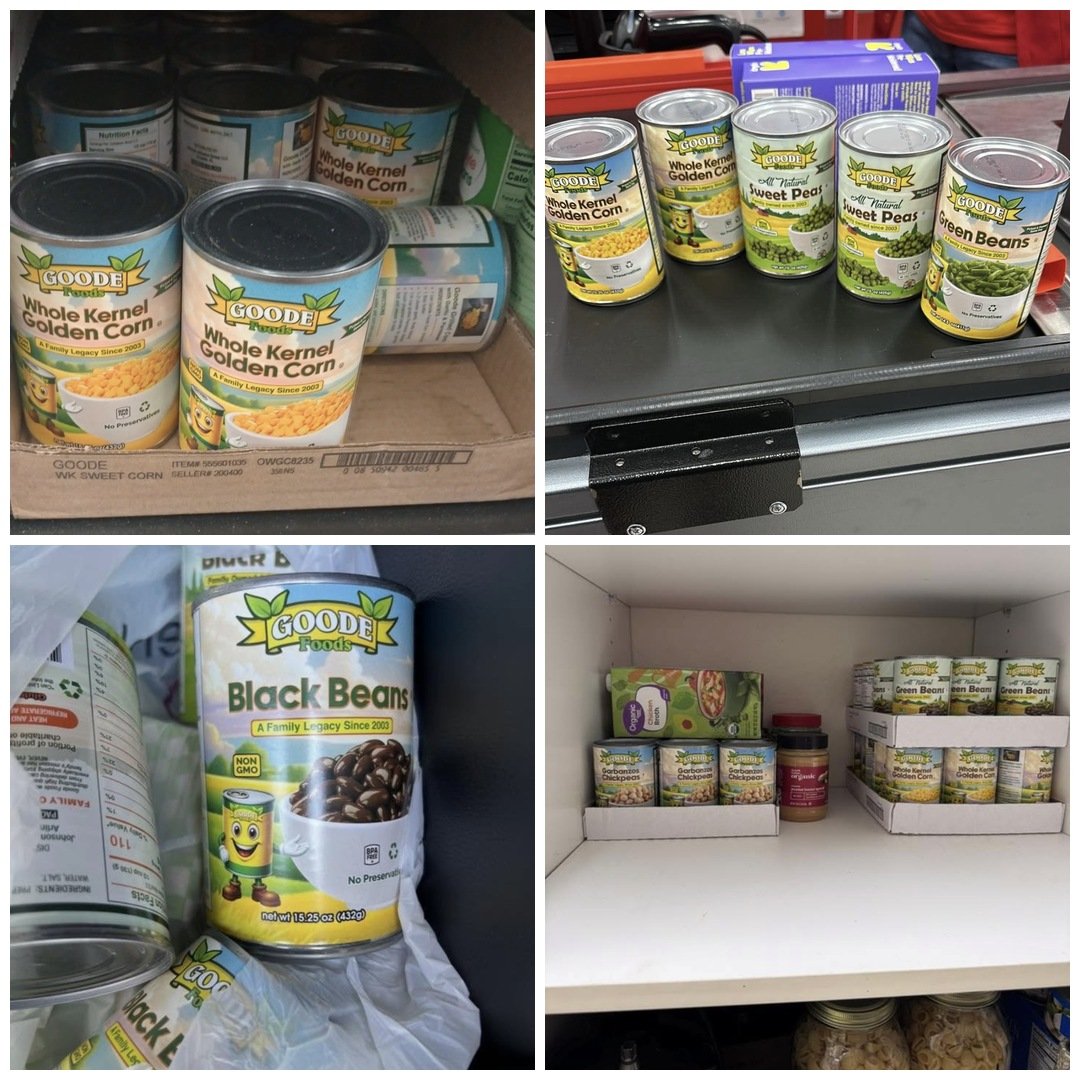
Goode Foods vegetables and beans are sold in grocery stores nationwide. Items vary by store, so check what’s near you before you head out. And if your store doesn’t carry us yet, ask the manager. That’s honestly how we get on more shelves.
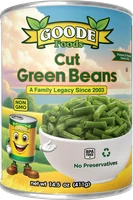
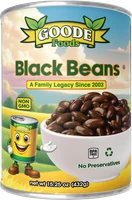
Here’s the thing. You can’t control when the email goes down, when the planes stop or when the bank app freezes. You can’t control grocery prices or who’s hiring.
But you can control what’s in your pantry.
A few cans at a time. A little planning. A family that’s been doing this for 23 years backing you up.
That’s not fear. That’s just being grown.
Eat Goode. Feel Good. Stay ready.
Start with shelf-stable foods your family already eats: canned vegetables like corn, green beans and sweet peas, canned beans for protein and fiber, plus water. Add a few extra cans every grocery trip instead of buying everything at once.
Microsoft said there was no indication the November 12, 2026 outage was the result of malicious or cyber activity. Outlook was down for more than 12 hours in many places.
The FAA issued a nationwide ground stop. The Transportation Secretary pointed to a newly installed router at an FAA facility, and officials said there was no indication of an attack. It led to nearly 8,000 cancellations and more than 10,000 delays.
Chase said a software bug in an internal hardware system caused the November 16, 2026 disruption and that it was not cyber-related. Customers at several other banks also reported problems that day.
Yes. In October 2026, hackers raised fridge and freezer temperatures at more than 500 French supermarkets, spoiling millions of euros of food, and similar incidents hit stores in five more European countries on November 2. Unopened canned food doesn’t need refrigeration or power, so attacks like these can’t spoil it.
USDA says low-acid canned foods like vegetables and beans keep their best quality for 2 to 5 years when stored in a cool, dry place. Don’t use cans that are bulging, leaking or badly dented.
Pull-tab lids have a scored opening and a rivet, and food safety inspectors flag damage in those areas as a can defect. Goode Foods uses traditional double-seamed lids that open with a can opener.
Yes. Goode Foods cans are BPA-free, and the vegetables and beans are non-GMO.
Goode Foods vegetables and beans are sold in grocery stores nationwide. Use the Find In-Stores button on goodefoodsfamily.com to see what’s near you. Corn Dust seasoning can be pre-ordered on the Goode Foods website and ships by January 8, 2027.
Sources: Al Jazeera on the Microsoft outage; Wikipedia, 2026 FAA nationwide ground stop on flight cancellations and cause; Al Jazeera on the Chase outage; Al Jazeera on the French supermarket freezer attacks; Insurance Journal on the November 2 freezer incidents in Europe; Fortune on the UNFI cyberattack; Bureau of Labor Statistics, October 2026 CPI on grocery prices; Bureau of Labor Statistics, October 2026 jobs report on unemployment; Healio, citing CDC and FDA on the Cyclospora outbreak; ABC News and Good Morning America on the Campbell’s executive recording and the company’s response; CDC on the alfalfa sprouts outbreak; Food Safety News on the Ohio University E. coli cluster; USDA Food Safety and Inspection Service on canned food shelf life; Michigan State University on canned vs. frozen costs; Canadian Food Inspection Agency on pull-tab score line and rivet defects; FEMA Ready.gov on emergency supply kits.
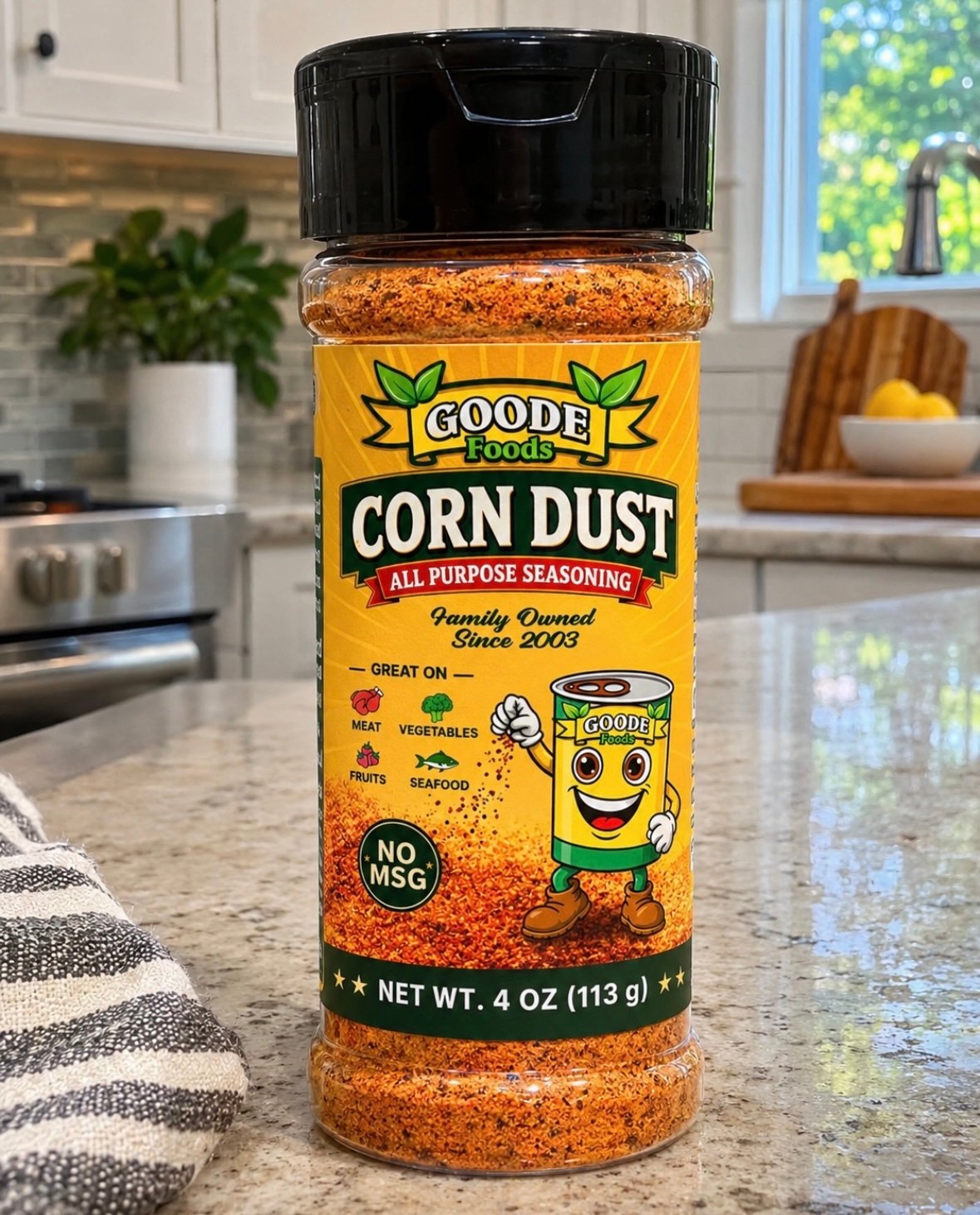
Canned food isn’t bland. The seasoning is. The 5-note flavor formula, a can-by-can cheat sheet and the one shaker that makes every…

How much food and water a family of 4 needs for 3 days, 2 weeks, 1 month or 3 months, with a…