
Home / Pantry Guides / Health & Longevity
Health & Longevity
Hint: the longest-living people on Earth eat it every day
 The Goode Foods Family • November 14, 2026 • 7 min read
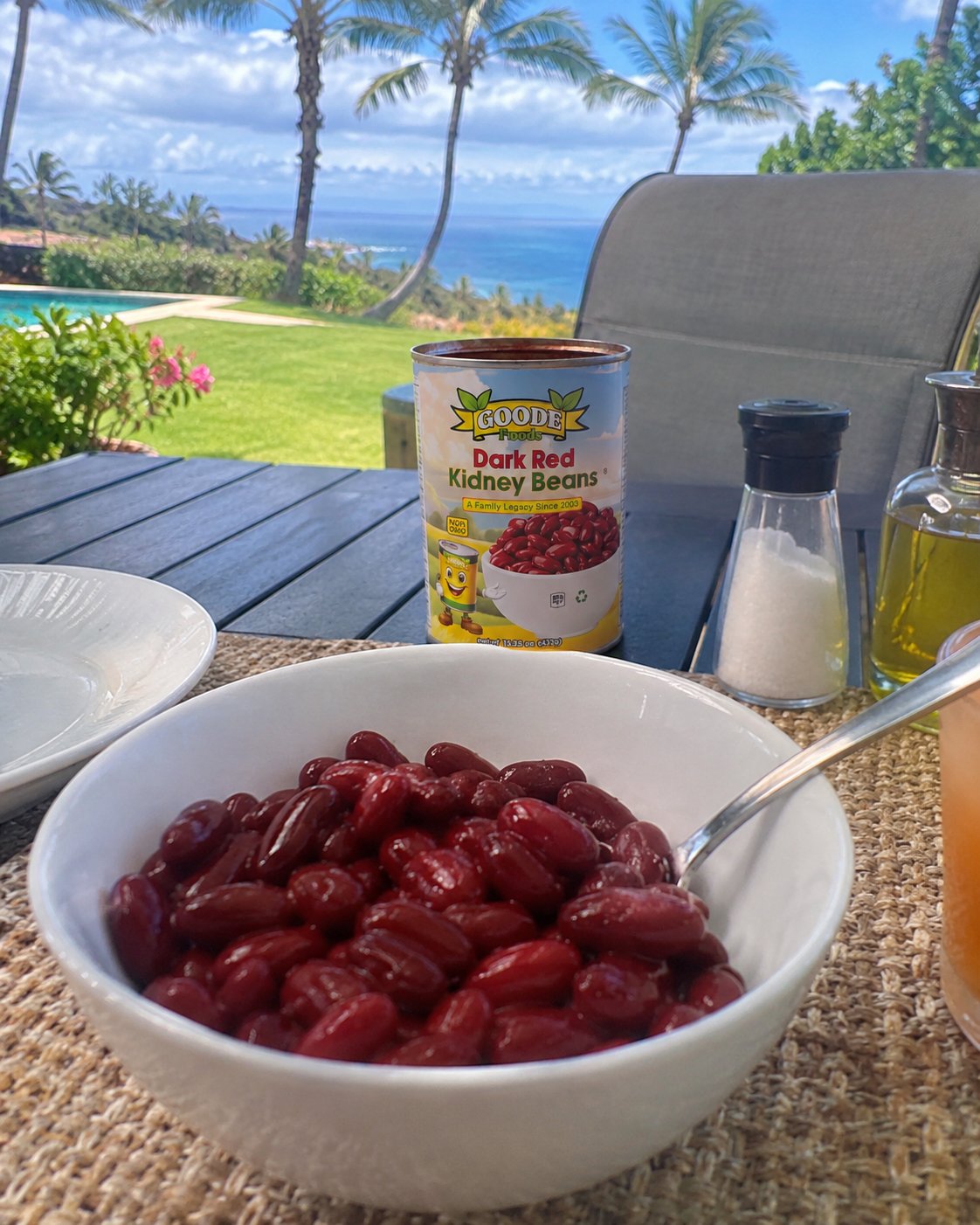
1 Cup
A Day
Share this guide
Blue Zones The science Fiber Weight Muscle The gas question Which beans FAQ
Beans are one of the few foods tied to all four things people want most: a longer life, easier weight control, regular bathroom trips and enough protein to hold on to muscle. Their fiber and protein also keep you full, so the 3 p.m. snack attack loses its grip. Centenarians in the world’s Blue Zones eat about a cup a day. One cup of black beans has roughly 15 grams of fiber and 15 grams of protein. And canned beans are already cooked, so getting there takes about as long as opening a can.
People will spend hundreds of dollars a month chasing a longer life.
Supplements. Powders. Cold plunges. A smartwatch that yells at you for sitting down.
Meanwhile, the people who actually live to 100 have been doing something a lot cheaper for generations.
They eat beans. Every day.
No trend, no detox, no 30-day challenge. It’s just dinner. And honestly? The research behind that habit is stronger than most of what’s sold in the supplement aisle.
Quick disclosure: we sell beans. So yes, we’re a little biased. That’s exactly why every number in this post has a source at the bottom. Check us.
The Blue Zones are five places where people live unusually long, healthy lives: Okinawa, Japan; Sardinia, Italy; Nicoya, Costa Rica; Ikaria, Greece; and Loma Linda, California. Researcher Dan Buettner spent years studying what they have in common.
Five countries, three continents, completely different cooking. And yet one food keeps showing up on every table.
Buettner calls beans “the cornerstone of every longevity diet in the world.” The Blue Zones Project’s food guidelines point to centenarians eating at least one cup of cooked beans a day.
In Costa Rica it’s black beans. In Greece, chickpeas and lentils. Okinawa leans on soybeans, and Sardinia loves its fava beans. Different bean, same habit.
Now, you might be thinking: okay, cute story about little villages in the mountains. But is it real?
Yes. The “Food Habits in Later Life” study followed older adults in Japan, Greece, Sweden and Australia. Out of all the foods researchers tracked, legumes stood out. Every 20 extra grams a day, about two tablespoons, was linked to an 8% lower risk of death.
Two tablespoons. That’s a small fraction of a single can.
And to be fair, some researchers have questioned the age records in a few Blue Zones. That’s a real debate. But the bean evidence doesn’t hang on it. It shows up in studies across four very different countries.
Legumes were the strongest food predictor of survival in the Food Habits in Later Life study, and Mayo Clinic notes that eating more fiber is linked with a lower risk of dying from any cause.
Fiber and protein fill you up, and Mayo Clinic says high-fiber foods keep you satisfied longer on fewer calories. A review of 21 clinical trials linked about one serving of beans a day to weight loss, and bean eaters in a national survey had a 22% lower risk of obesity.
Fiber makes stool bulkier and softer, which Mayo Clinic says makes it easier to pass and lowers the chance of constipation. Beans are one of the richest sources you can buy.
A cup of black beans brings about 15 grams of protein. Paired with strength training and enough total protein, plant protein builds muscle too.
Here’s a number that should bother everyone: more than 95% of Americans don’t get enough fiber.
Women 31 to 50 need about 25 grams a day. Men in that age group need about 31. Most people don’t come close.
One cup of cooked black beans has about 15 grams of fiber. That’s more than half a day’s worth for most women, from one side dish.
Fiber is the reason beans help with the bathroom. It’s also a big reason they help with weight. It slows digestion, fills you up and keeps things moving.
That’s why “fibermaxxing” has taken over TikTok and Instagram. Beans were doing it before it had a name.
Researchers at St. Michael’s Hospital in Toronto pooled 21 clinical trials with 940 adults. People who ate about three-quarters of a cup of beans, chickpeas, lentils or peas a day lost about 0.75 pounds over six weeks compared with those who didn’t.
Small? Sure. But that came from adding a food, not cutting one out.
The bigger picture lines up too. A study of national health survey data from 1,475 American adults found bean eaters weighed less and had smaller waists than people who skipped beans. They had a 22% lower risk of obesity and a 23% lower risk of a growing waistline, even after accounting for how many calories they ate.
Here’s why it works. Beans are one of the rare foods that bring protein and fiber together, and both of those keep you full. That’s what gets you past 3 p.m. without raiding the vending machine.
This is where the gym crowd usually rolls their eyes. “Beans aren’t real protein.”
A 2021 study in the journal Sports Medicine put two groups through 12 weeks of strength training. One group ate meat. The other ate only plants. When total protein was matched, they built the same amount of muscle and strength.
Look, beans alone won’t hit a bodybuilder’s protein goal. Nobody’s saying that. But 15 grams a cup, plus fiber, plus almost no fat? That’s a pretty great teammate. Pair them with rice, eggs, chicken, fish or Greek yogurt and you’ve got a plate that actually works for you.
Fine. Let’s address it.
In a study of adults adding beans to their diet every day, fewer than half reported more gas in the first week with pinto or baked beans. With black-eyed peas, only 19% did. And 3% to 11% of people reported extra gas even on the diets without beans.
The fix is simple: add beans gradually over a few weeks and drink plenty of water. That’s Mayo Clinic’s advice for any high-fiber food.
Your body adjusts. Your social life survives.
All of them. Every bean brings fiber and protein. Here’s how to use the five in our pantry.
The Costa Rica pick. Tacos, rice bowls, soups and nachos. See our black beans.
Chili’s best friend. Hearty enough to replace half the meat in almost anything. See our dark red kidney beans.
Creamy, mild and made for refried beans, burritos and soup. See our pinto beans.
The Mediterranean favorite. Salads, hummus, curry, or roasted until crunchy. See our garbanzo beans.
Southern soul in a can. Rice, greens, salads and dips. See our blackeye peas.
Need dinner ideas? Our recipe box has plenty, from chickpea salad to kidney bean stew.

Keep a drained, rinsed can of beans in a container in the fridge. When it’s already open, it ends up on salads, eggs and leftovers all week.
Goode Foods black beans, kidney beans, pinto beans, chickpeas and blackeye peas are already cooked, non-GMO and sealed in BPA-free cans. Find them at Jewel-Osco, Shaw’s, Star Market and Meijer, with chickpeas at Target too. Items vary by store.
Research links beans with a longer life. In the Food Habits in Later Life study of older adults in Japan, Greece, Sweden and Australia, every 20 grams of legumes a day was linked to an 8% lower risk of death. Beans are also a daily staple in all five Blue Zones.
The Blue Zones Project’s food guidelines point to centenarians eating at least one cup of cooked beans a day.
They can help. A review of 21 clinical trials found that about three-quarters of a cup of beans, chickpeas, lentils or peas a day was linked to about 0.75 pounds of weight loss over six weeks. In U.S. national survey data, bean eaters had a 22% lower risk of obesity. Their fiber and protein help you feel full on fewer calories.
Yes. Beans are high in fiber, which makes stool bulkier and softer and helps prevent constipation. Add them gradually and drink plenty of water.
One cup of cooked black beans has about 15 grams of fiber, more than half the daily amount most women need. Amounts vary by bean, so check the label.
Beans add protein, about 15 grams per cup of black beans. Research shows plant protein supports muscle growth when total protein intake is high enough and paired with strength training.
Canned beans are cooked dried beans, so they keep their fiber and protein. If you’re watching sodium, draining and rinsing them helps.
Start with small portions, increase gradually over a few weeks and drink plenty of water. Most people adjust.
Goode Foods black beans, dark red kidney beans, pinto beans, chickpeas and blackeye peas are sold at Jewel-Osco, Shaw’s and Star Market. Meijer carries black, pinto, kidney beans and chickpeas, and Target carries chickpeas. Use the store locator on goodefoodsfamily.com to find a store near you.
Nobody’s saying a can of beans will make you live forever.
But if you want a cheap, simple habit that’s tied to a longer life, a smaller waistline, a happier gut and stronger muscles, it’s hard to find a better one.
Our dad started this company in 2003 believing good food should be easy to grab and easy to afford. Beans are about as close to that as it gets.
The longest-living people on Earth figured this out a long time ago. We just made it easier to keep on the shelf.
Eat Goode. Feel Good. Live long.
This guide is for general education and isn’t medical advice. If you have a digestive condition or a special diet, check with your doctor before making big changes.
Sources: Fortune on Dan Buettner and beans; Blue Zones Project food guidelines; Northern Crops Institute on the Food Habits in Later Life study; Mayo Clinic on fiber; University of Colorado Anschutz on fiber intake; ScienceDaily on the St. Michael’s Hospital weight study; Journal of the American College of Nutrition on bean eaters and body weight; FAPESP on the 2021 Sports Medicine muscle study; Nutrition Journal on beans and gas; USDA data via University Hospitals on black bean nutrition.
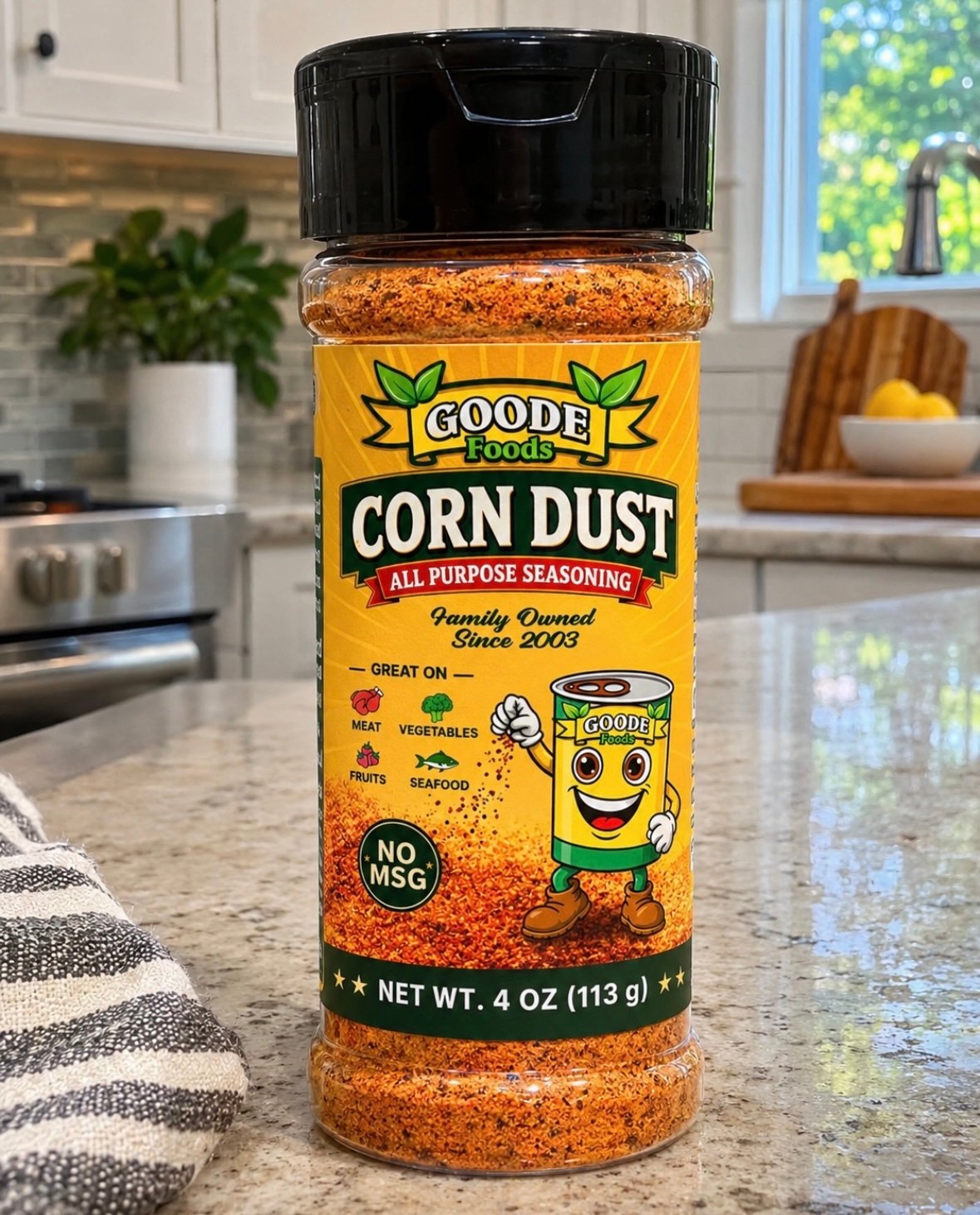
Canned food isn’t bland. The seasoning is. The 5-note flavor formula, a can-by-can cheat sheet and the one shaker that makes every…

How much food and water a family of 4 needs for 3 days, 2 weeks, 1 month or 3 months, with a…